
Working in a library can sometimes require being comfortable with working in solitude, and it is not always easy to feel connected to other information professionals across the field during the day-to-day running of a library.
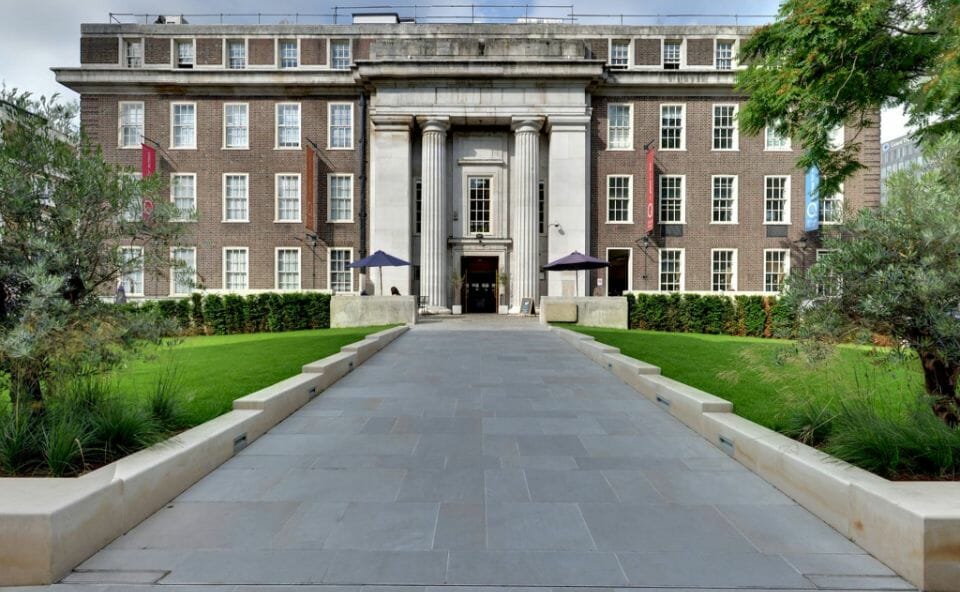
Something that can help with this is conference and networking days to get together with other librarians and discuss issues relevant to the library sector. I had an opportunity to attend just such an event this week, hosted by Open Fifth, the company behind our new library management system software Koha, at Friends House on Euston Road in London.
This interactive and collaborative day featured talks on a diverse range of topics, from how to create an audit of a library service, to Generative AI and copyright issues. I joined over 50 other librarians in lively discussions and sharing experiences and tips on making our library systems work for us and our patrons.
I learned what Open Fifth, and the the library world more generally, is doing to combat the rise of bot activity accessing our online catalogues to scrape data, creating strain on our servers from increased ‘fake’ web traffic and wasting huge amounts of energy in the process. Keeping up with the ever-evolving situation can be a bit of an ‘arms race’, with librarians and IT specialists on one side and malicious bots on the other – constantly striving for the upper hand.
The keynote speech for the day, thoughtfully delivered by Jane Secker, an expert in the field, got everyone thinking about how to balance the increasing use of generative AI with the rights of content creators: when library users come to us with questions about these tricky issues, how do we advise them? Do we know the rules of copyright law in the UK in-depth enough to help people do their research ethically and legally? This session encouraged me that I should like to undergo more training on copyright to advise our library community better, if these questions ever come up in the future!
This was followed by a networking lunch, with food provided by the venue at Friends House, and a ‘knowledge café’, where we shared our library cataloguing software wish lists and handy tips for getting more from our systems, such as accessibility features that might be available to help. It was good to connect with librarians working in other theological libraries, and compare our collections!

During talks in the latter part of the afternoon I received some clever hints on making the library’s online catalogue interface better for our library users, and on promoting the acquisition suggestion feature, where patrons can recommend new books for us to buy for the library (please do make us of this if you want to do so!) By the day’s end I felt armed with new helpful knowledge, fresh perspectives from across the library sector and a renewed sense of wanting to contribute – in my own small way! – to improving the experience in our library for all our members. Thank you to OpenFifth for having me!
SV
What are your thoughts about the above?