
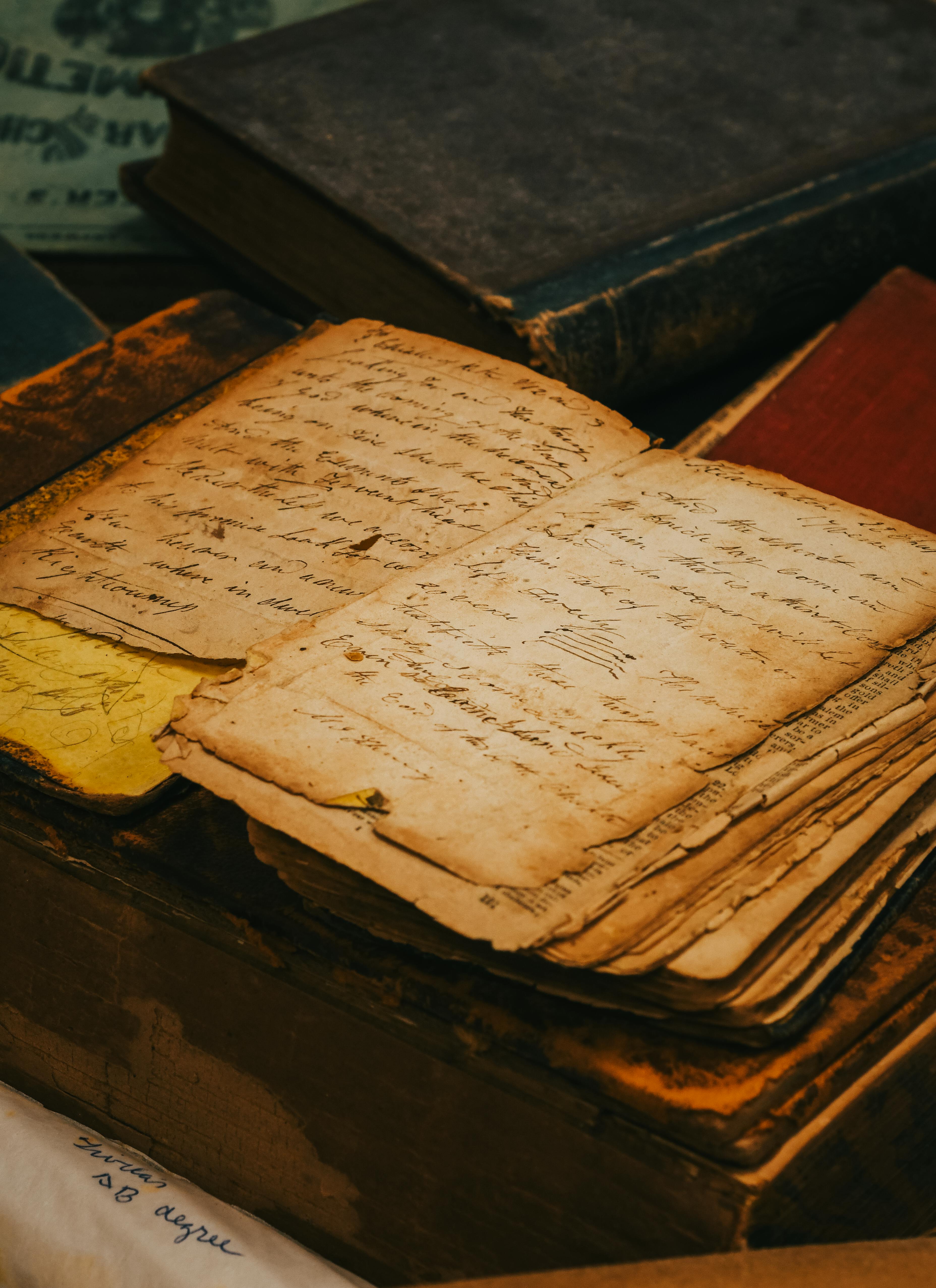
Over the weekend of 26-27th October 2024, I had the pleasure of attending a palaeography course called ‘Reading the Past: Early Modern Handwriting and Palaeography’, taught by Dr. Charlotte Berry at Rewley House, Department for Continuing Education, University of Oxford.
Palaeography is the study of historical handwriting, including deciphering handwriting and analysing scripts (i.e. the stylistic model a scribe has in mind when they write). To learn more, click here for a palaeography libguide
I often come across handwritten notes when cataloguing pre-1801 Heythrop Library books, from inscriptions and dedications on a book’s endpapers to annotations on title pages to marginalia throughout a volume. I was motivated to enrol on the course so that I could gain tools to help me understand and transcribe these notes, and then add them into my catalogue records. This kind of provenance work offers clues as to previous book owners, ages and social groups of readers, circulation, gift-giving, and also acts as a security measure. For example, if one of our books was stolen and ended up on an antiquarian book-selling website, provenance notes from Heythrop Library’s catalogue record could help us identify the copy as ours.
The palaeography course was a fascinating chance to learn about early modern scripts (Secretary, Italic and Mixed Hands), including abbreviations. There was lots of time to practice deciphering scans of primary source material and transcribing them to industry standards. Image 1 shows nursery rhymes written in Secretary hand. Can you decipher all the words?

I’m still far from being comfortable deciphering Secretary hand but the course equipped me with reading strategies and tools to help me ‘get my eye in’ and attempt to decipher it!
NH
What are your thoughts about the above?